Measles has been in the news lately mostly because it is a highly contagious disease which is almost totally preventable.
Symptoms
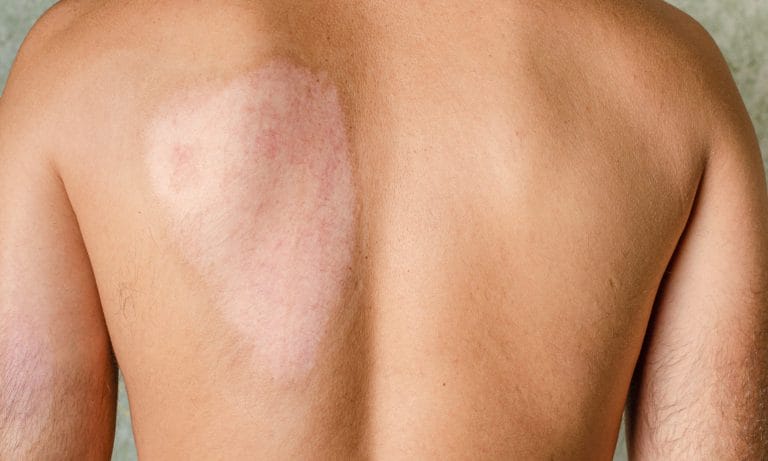
One of the most common signs someone has contracted measles is the appearance of a characteristic rash. However, people with measles can be contagious as early as four days before the rash appears. A highly infectious disease, if an infected person enters a room and then leaves, the measles virus in the air can linger for at least 2 hours. Unvaccinated individuals exposed to the measles virus have a 90% chance of developing the disease. Beyond the rash, other measles symptoms include cough, runny nose, high fever, and coryza (symptoms of a head cold and conjunctivitis, a burning sensation of the eyes). Serious complications of measles include a type of pneumonia not treatable with antibiotics, brain inflammation, and wiping out antibodies in the immune system, which increases the risk of other illnesses and infections.
Treatment and Prevention
Because there is no specific cure for measles, treatment is supportive, which means the focus is on reducing fever, increasing fluid intake, and preventing the patient from being exposed to others, including people with other infections. The good news is that measles can be almost totally prevented with a safe vaccine usually given in 2 doses. The first dose is typically given to children between 12 and 15 months of age. The second dose usually occurs when the child is between 4 and 6 years of age. It conveys 93% immunity after one dose and 97% after the second. The vaccine is part of the MMR vaccine, which also contains vaccines against the mumps virus and rubella.
Dr. George Zlupko, MD, FCCP, Chief Medical Officer, PAM Health